
Bodega Movil
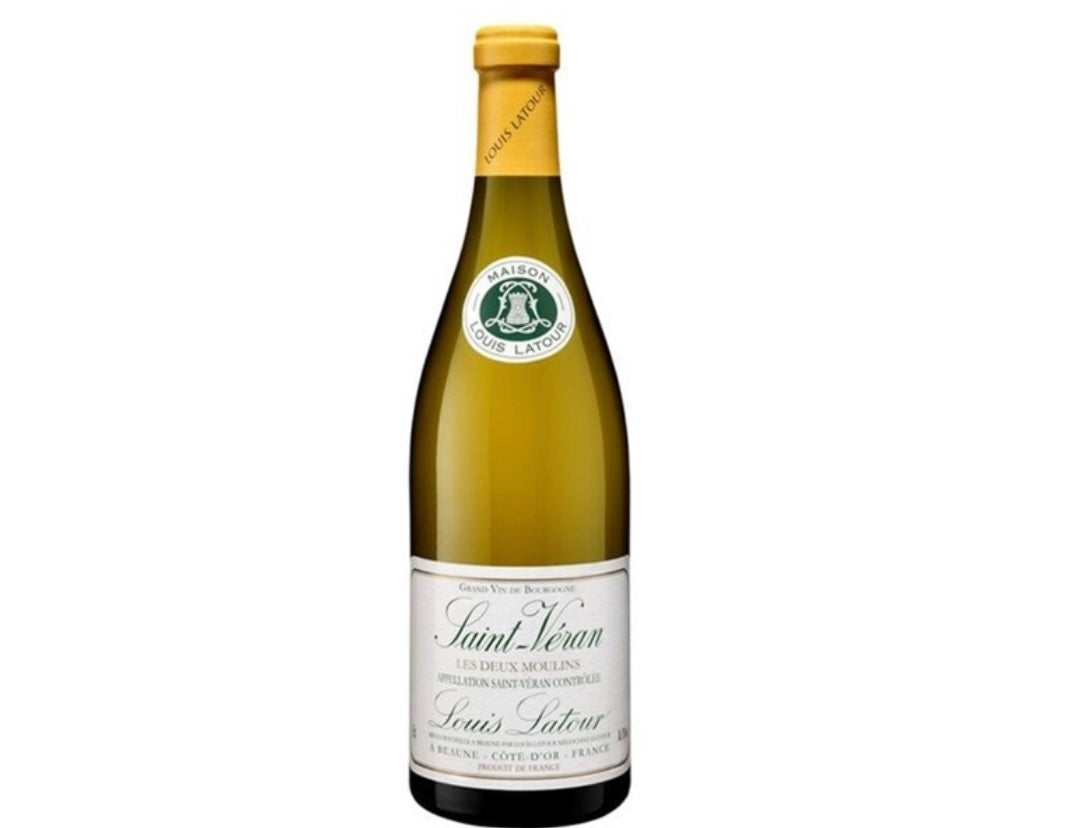
Louis Latour Saint Veran les Deux Moulins 75cl
Louis Latour Saint Veran les Deux Moulins 75cl
Couldn't load pickup availability
INTRO TO LOUIS LATOUR ST VERAN
Louis Latour St Veran Les Deux Moulins from Maconnais Burgundy has an intense nose with notes of yellow fruits, quince and mango. The wine is round and textured on the palate with aromas of yellow peach and a nice long finish.
FULL TASTING NOTE AND WINE MAKING
Situated in the very south of the Mâconnais region, the Saint-Véran vineyards form a belt around Pouilly-Fuissé. The area’s Jurassic chalk soil and the vineyards ideal exposure combine perfectly to produce top quality fruit. The Louis Latour Saint-Véran ‘Les Deux Moulins’ takes its name from the two watermills that straddle La Petite Grosne river. The rain that falls on the vineyards, filters through the calcareous bedrock to help feed the river as it flows away west towards the monastic town of Cluny. Both alcoholic and malolactic fermentation take place in stainless steel tanks followed by 8 months aging.
THE PRODUCER
The Latour family have long been established in Burgundy’s wine trade. They began as vine growers in the village of Aloxe-Corton as early as 1768 and went on to establish today’s business, Maison Louis Latour, in 1797. Today they are one of the region’s most famous names creating wines from their own 50 hectare domaine in the Côte d’Or and from grapes and wines purchased through the negociant arm of the business.
The company has been in family ownership for 11 generations and is now led by the 7th Louis Latour. He is ably supported by Chief winemaker Jean Charles Thomas, and Denis Fetzmann and Boris Champy who run the Domaine.
Back in the 19th Century barrels were not only used as they are today, to age and ferment wine, but they were also the only way in which to ship wine. Bottles were usually too fragile and their weight increased transportation costs excessively. Barrel making has been a time honoured tradition at Maison Louis Latour for more than half a century. It continues today with over 2000 barrels being made each year, half of which are exported to other wineries worldwide. The oak originates from the Alliers and Vosges forests of Northern France and ages outside for 30 months before being used to make a barrel. Barrels are made by craftsmen with staves being placed together and carefully shaped, by hand, info a barrel form before being toasted over an open fire. Chestnut hoops are traditionally placed around the barrel to protect it.
DRINK WITH
Great with fish and light meat dishes, salads and vegetables.